
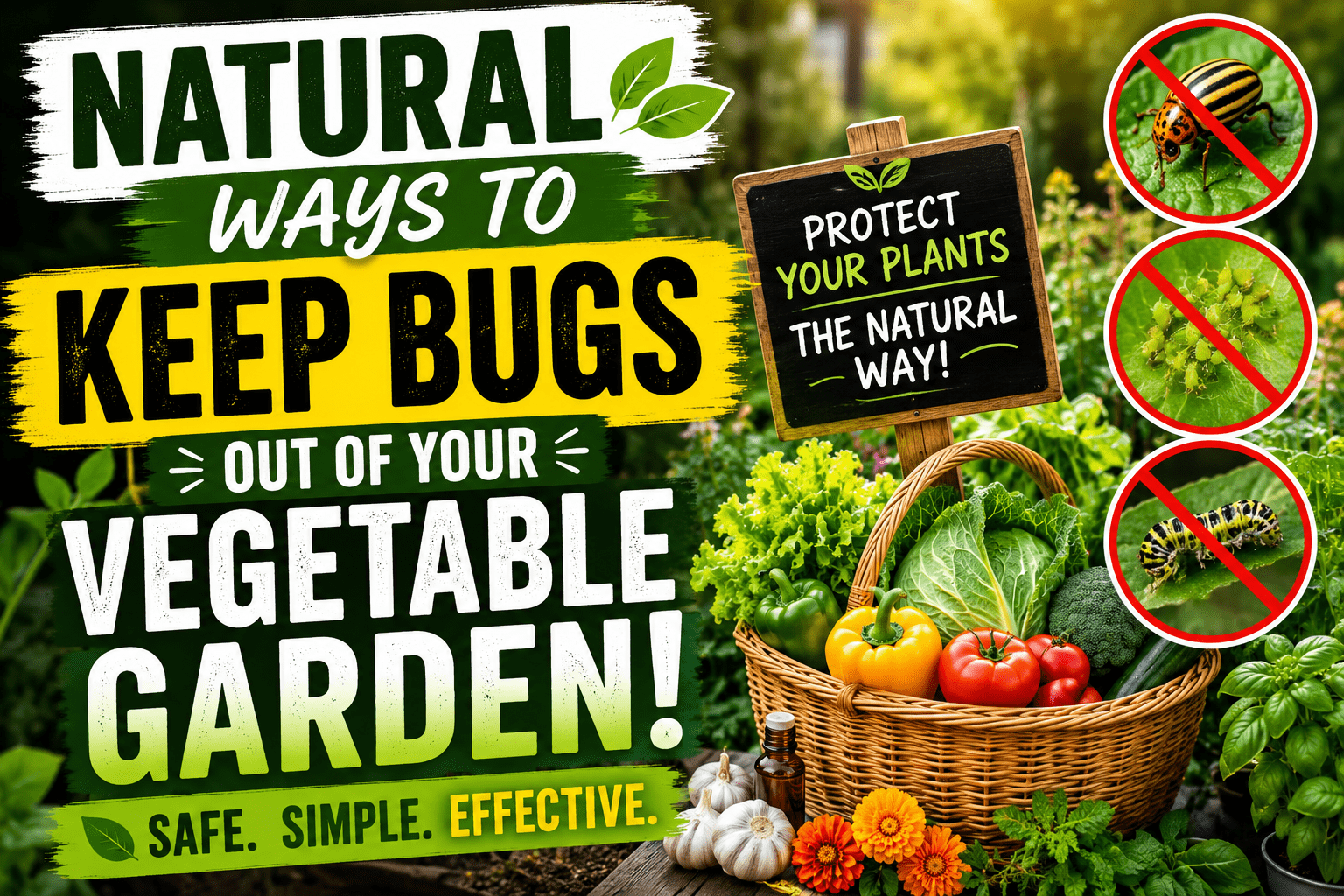
Natural Ways to Keep Bugs Out of Vegetable Garden That Actually Work
Homegrown fresh vegetables bring both the pleasure of growing plants and the satisfaction of eating your own food. Unfortunately, insect infestations can happen very quickly and destroy plants that are healthy, which can cause significant issues for the gardener.
Fortunately, there are many natural ways to keep bugs out of vegetable garden without the use of harsh chemicals. There are some very simple techniques including using companion planting, creating your own insect sprays, and maintaining proper garden conditions that can serve as a method to safeguard your plants naturally.
Why Bugs Invade Vegetable Gardens
Insect pests find vegetable gardens particularly enticing due to their abundance of food, moisture and shelter. Weak plants, crowded garden beds and inadequate air flow may inviting a garden certain insect pests such as aphids, caterpillars, beetles, and whiteflies.
They can do significant damage to your produce if these pests are not controlled. Many pests are harmful and cause damage; however, many other types of insects are beneficial and provide critical services to help maintain healthy ecosystems.
The objective is not to eliminate all insects, but rather to manage destructive pest populations while promoting a healthy balance within the garden ecosystem.
Natural Ways to Keep Bugs Out of Vegetable Garden
By planting certain types of herbs and flowers which have pleasant smells, you can help protect your vegetable garden from harmful insect pests.
These companion plants will produce aromas that will either confuse or deter unwanted insects, making it less likely that they will invade your vegetables.
Some good examples of companion plants are:
- Marigolds can help deter aphids and nematodes from attacking your vegetable crops since the marigold’s aroma will mask the scent of the vegetable.
- Basil planted next to tomatoes will not only repel flies and mosquitoes but will also enhances the taste of both plants!
- Mint is an effective deterrent against ants and cabbage moths and provides an attractive scent.
- Lavender is known to repel moths and fleas, and it will also help to attract pest-eating pollinators.
- Nasturtiums will help attract pests away from vegetables by serving as a trap crop.
You can plant these companion plants along the edges of your garden or between your vegetable rows to improve protection and also increase biodiversity.
Use Homemade Natural Sprays
Homemade sprays can effectively repel insects while not injuring your vegetables or the beneficial insects that help pollinate your crops.
Some well-known organic pesticides out there are:
- Garlic based insecticidal soap that will discourage aphids and beetles with their pungent smell.
- Neem oil-based insecticidal soap work on both whiteflies and mites and not injure the other plants.
You can use mild soap sprays on these insects (chili pepper) as an effective method for killing soft-bodied insects by suffocating them. When using chili pepper spray, the hotness of the chilies should keep chewing insects from eating your plants.
When you apply either of these products, you should always apply them in the early morning or evening to avoid burning leaves because of exposure to high temperatures and to protect critical pollinators (i.e., bees).
Encouragement of Beneficial Bugs
Not all insects are bad for your garden. In fact, many species of beneficial insects can help you control pest populations when they are allowed to live in harmony with other plant and animal life. So, that a balanced ecosystem is created on the earth.
Some bugs that can assist with controlling pests include:
- Aphids known to be eaten by ladybugs, which prefer to feast on them.
- The green lacewing is also an important source of food for many mites and whiteflies, making them highly useful in controlling garden pests.
- The praying mantis has a wide range of beneficial properties and especially beneficial to gardens because of its ability to hunt many bad ornamental insects.
- The presence of ground beetles can be beneficial for your outdoor garden, due to the ability to consume slugs and larva that would otherwise damage your crops.
To encourage these helpful insects to visit your vegetable garden, try planting flowers such as yarrow, dill, and fennel in the immediate vicinity of your vegetables to establish an attractive habitat.
Keep the Garden Clean
Keeping your garden as clean as possible will help ensure that there are fewer places for pests to hide. It is important to develop a regular cleaning habit to help naturally reduce invasions of these types of pests.
Some important habits to maintain a clean garden include;
- Consistently keeping up with dead leaves and trimming any plants that have suffered damage so that they do not provide a habitat for pests.
- Regularly removing weeds will help your vegetables for nutrients and moisture, therefore reduce their yield.
- Do not allow fallen vegetables to stay on the ground. So that unwanted insects aren’t drawn to them.
Maintaining is important to keep your garden healthy, in order to prevent serious pest issues. In addition, you can do so by:
- Rotating crops every year to interrupt the life cycle of pests.
- Planting appropriately spaced plants and ensure there is enough air circulation between them.
This will reduce the risk of mildew and disease.
Physical Barriers That Stop Garden Pest
Lightweight fabric row covers are an effective protective barrier against insect pests for your plants, such as cabbage, lettuce, carrots and spinach. They are designed to protect your plants by providing a physical barrier from insects.
The covers help to let water and sunshine in while keeping pests from laying their eggs on the leave, protecting your vegetable plants from possible infestation.
Be Careful Using Mulch
While mulch made of organic materials helps hold moisture and keep down weeds, if you apply too many inches of mulch, to get the most benefit from your mulch, use dry straw or hay and be careful not to put it up against the stalk of your plants. This may create a wet area for pests.
Handpick Large Pests
When it comes to large bugs such as hornworms, beetles, and caterpillars, one of the best ways for gardeners to use nature to control these insects is through the manual removal of the pests by handpicking them from your plants.
Daily plant inspections and pest removal must occur before these pests can spread throughout crops.
Best Vegetables for Natural Pest Resistance
There are certain types of vegetables that attract fewer bugs naturally than other options and can be easily maintained by new gardeners.
Examples include:
- Onions
- Garlic
- Radishes
- Rosemary
- Chives
- Kale
By combining pest climatic-resistant species with more susceptible food plants throughout your entire gardening area, you’ll enhance your protection from pests significantly because you will create a more diverse and sustainable overall gardening environment.
Common Mistakes That Attract More Bugs
Overwatering Plants
Too much moisture in your garden will not only attract mosquitoes but also break up the needed habitat for fungus gnats and a variety of fungal diseases.
Deep watering is essential to establish healthy root systems but do not continually maintain the soil in a wet state as this creates perfect habitats for pests.
Using Too Much Fertilizer
Over-fertilizing can also cause problems for you. To help your plants grow strong and healthy with fewer infestations, you should use balanced composts or organic fertilizers sparingly.
Ignoring Early Signs of Damage
Ignoring early signs of damage can lead to major infestations. Regularly inspect leaves for holes, sticky residue, or discoloration to address issues promptly.
Final Thoughts
Natural ways to keep bugs out of vegetable garden will help keep your vegetables healthy and free of chemical residues during harvest. Through different techniques such as companion plantings, utilizing natural insecticides, introducing predators of the pest and taking care of the plants, pest problems can be minimized.
With consistent attention and eco-friendly practices, you can grow healthier vegetables and maintain a thriving garden year after year.