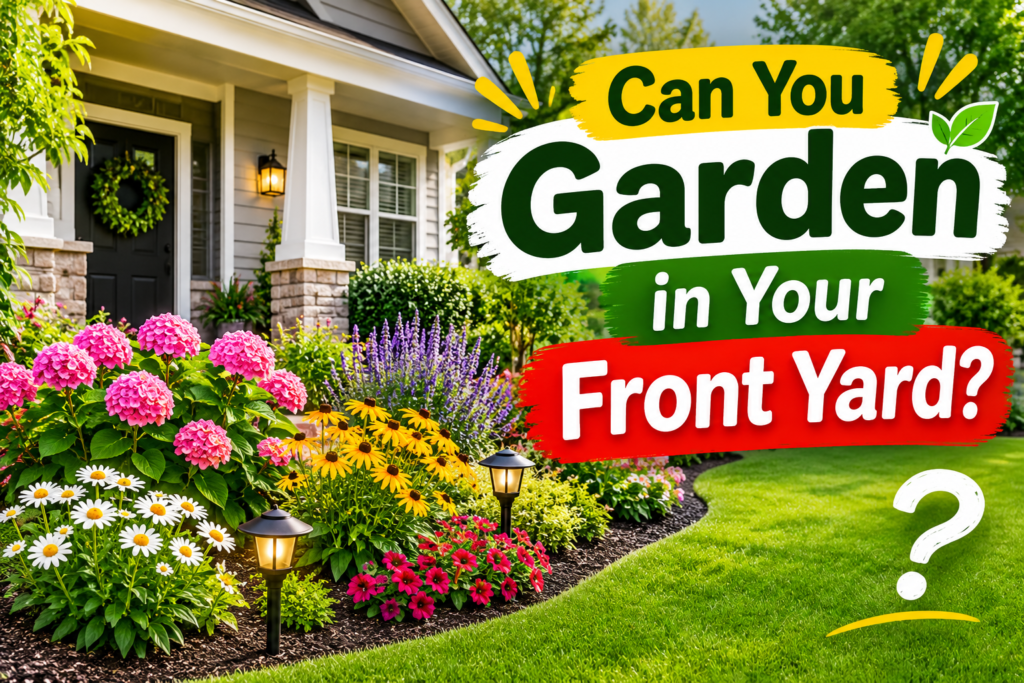
Can You Garden in Your Front Yard? Rules, Ideas & Tips for Beginners
Imagine walking out your front door and picking fresh cherry tomatoes, basil, and strawberries instead of just mowing grass.
Sounds great, right? So, can you garden in your front yard without getting a fine or an angry note from your HOA?
Yes, in most places you absolutely can. Your front lawn is often sunnier, easier to access, and more productive than your backyard.
In this guide from How Homesteading, I’ll walk you through the legal rules, soil safety, best designs, and easiest plants so you can turn wasted lawn into food this weekend.
What you’ll learn:
- Legal rules for front yard gardens
- Why it’s perfect for homesteaders
- Where and how to plan it
- Best plants for curb appeal
- Easy designs neighbors will love
Can You Garden in Your Front Yard Legally?
This is the step many beginners skip, and then regret. Check these three things before you plant:
1. City or County Ordinances
Most U.S. cities allow front yard vegetable gardens, but many have rules about:
- Plant height near sidewalks and intersections (often 24″ to 36″ for driver visibility)
- Setbacks from the curb or sidewalk (often 2 to 3 feet)
- Weed, grass, and maintenance requirements
- Water use restrictions
Search [your city] + front yard garden ordinance or call your zoning office. Many municipal codes are published online through services like Municode, which hosts ordinances for thousands of U.S. cities and counties.
2. HOA Rules
HOAs are often stricter than cities. Many beginners ask, “Can you garden in your front yard if you have an HOA?”
Often yes, but get written approval first. Read your CC&Rs for terms like “vegetable garden,” “agricultural use,” or “landscaping approval.” Then email the board a photo of a neat raised-bed plan. Tidy designs get approved far more often than a tilled-up lawn. For background on how associations work and what homeowners can expect, the Community Associations Institute is a useful resource.
3. Renters
Get written permission from your landlord. Offer to use no-dig containers or fabric raised beds you can remove when you move out.
If you’re new to self-sufficiency, start with our beginner’s guide to homesteading to see how a front yard fits into the bigger picture.
Why Front Yard Gardening Is Perfect for Homesteaders
On a traditional homestead, every sunny square foot counts. Your front yard is no different.
1. It gets more sun. Backyards are often shaded by the house or garage. Front yards, especially south-facing ones, often get the 6 to 8 hours of sun that vegetables need.
2. You’ll actually care for it. You walk past it every day, so you’ll notice dry soil, pests, or ripe produce right away.
3. Lawn is a waste of resources. Grass needs water, fertilizer, and weekly mowing, and it gives you nothing to eat. The same space can produce a substantial harvest.
4. It builds community. Herbs, flowers, and tomatoes start conversations. Neighbors stop, ask questions, and often become friends and garden protectors.
This is core homesteading: using what you have to feed your family.
How to Plan a Front Yard Garden That Looks Beautiful
A front yard garden has to do two jobs: grow food and look good from the street.
1. Check Sunlight and Water Access
Spend one day watching how the light moves across your yard.
- Full sun (6 to 8+ hours): tomatoes, peppers, squash, cucumbers, strawberries, blueberries
- Part shade (3 to 5 hours): lettuce, spinach, kale, Swiss chard, cilantro, parsley
Place beds close to an outdoor spigot or rain barrel. You’ll water almost daily in summer.
2. Test Your Soil for Safety
Front yards are closer to traffic and older house paint, which raises the risk of lead contamination. Lead doesn’t break down, and it tends to collect in the top few inches of soil. The U.S. EPA’s lead information page explains where lead comes from and how to reduce exposure at home.
Before planting food in the ground:
- Get a soil test through your local Cooperative Extension office, a land-grant university service that many states offer for a small fee.
- Request lead or heavy metal screening if your home was built before 1978 (when lead paint was banned for residential use) or if you live near a busy road.
- Interpret the results carefully. EPA uses 400 ppm as a screening level for residential soil in play areas, but many gardeners choose a lower threshold for food crops. If your results are high, skip in-ground planting and use raised beds filled with clean soil and a landscape fabric barrier underneath.
Even with clean soil, raised beds are a good choice along the curb. They drain well, warm up faster in spring, and keep road splash off your greens.
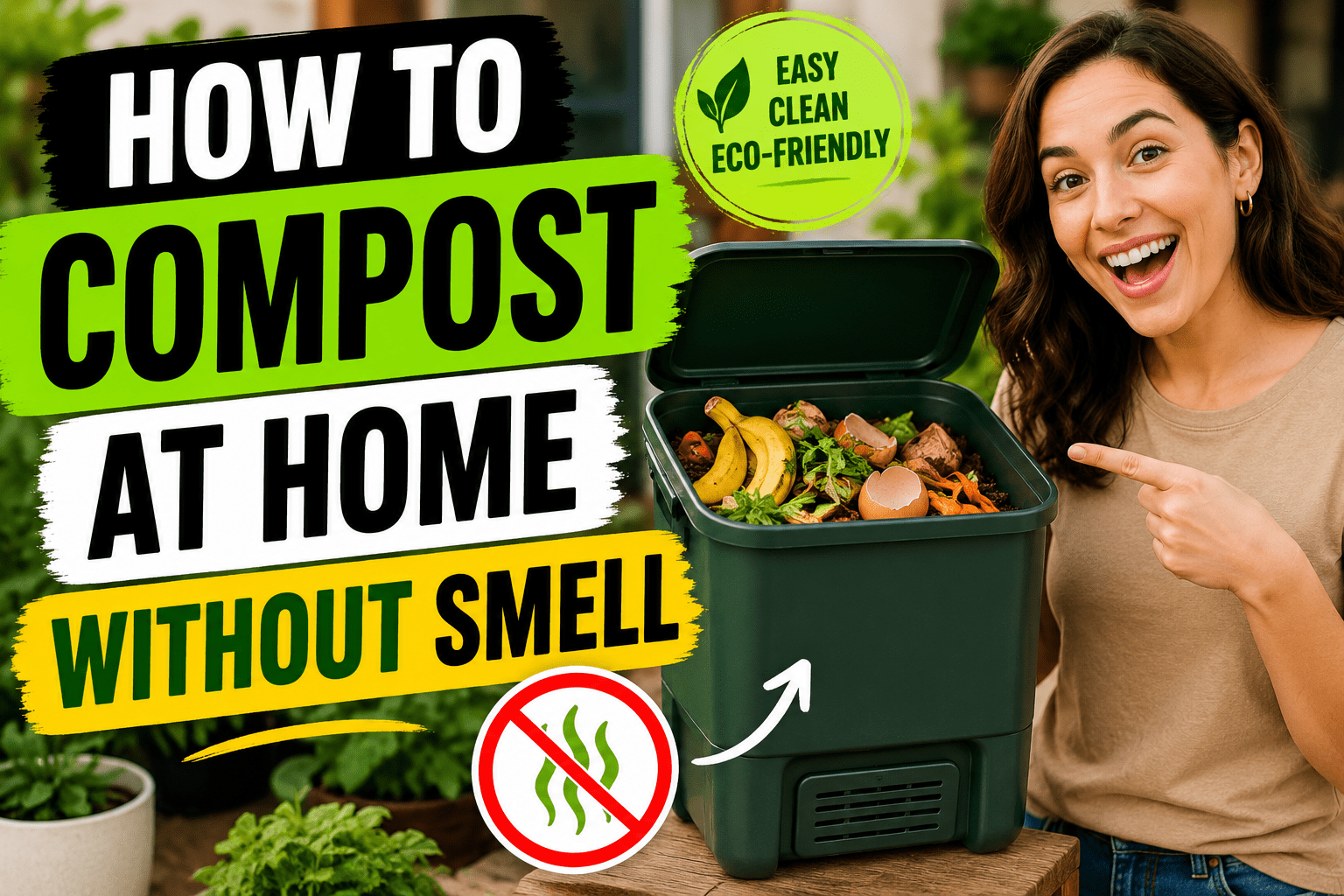
Learn how to build living soil in our DIY composting at home guide and how to improve garden soil naturally.
3. Design for Curb Appeal
Structure is what makes a food garden look intentional. The same tomato plant looks messy in bare dirt and beautiful in a mulched, edged bed.
Use these four rules:
- Edge everything: Cedar boards, brick, or stone create clean lines.
- Mulch heavily: 3 to 4 inches of straw or wood chips keeps weeds down and looks cared for.
- Repeat plants: Plant in groups of 3, 5, or 7 rather than one of everything.
- Add a path: A small gravel or mulch path makes the garden look planned.
Best Plants for a Front Yard Vegetable Garden
Choose plants that are productive and attractive, with good color, tidy growth, and season-long harvests.
| Best Plant | Why It Works in Front | Sun |
|---|---|---|
| Cherry Tomatoes | Compact, colorful, high yield | Full Sun |
| Peppers | Upright, glossy, ornamental | Full Sun |
| Kale & Swiss Chard | Red, purple, and green leaves all season | Full to Part Sun |
| Lettuce Mix | Fast-growing, colorful border | Part Sun |
| Herbs (Basil, Thyme, Rosemary) | Fragrant, evergreen options, low care | Full Sun |
| Strawberries | Edible groundcover with white flowers | Full Sun |
| Blueberries | Fruiting hedge with multi-season color | Full Sun, acidic soil |
| Marigolds & Nasturtiums | Edible flowers, help repel pests | Full Sun |
Avoid sprawling pumpkins, corn, and large squash in the front yard unless you have plenty of room. They’re hard to keep neat.
For month-by-month sowing, check our seasonal vegetable planting calendar.
5 Front Yard Garden Ideas That Won’t Annoy Your Neighbors
1. Cedar Raised Bed Borders
Two to four matching rectangular beds with a mulch path between them. Clean, classic, and easy to get approved. Best for beginners.
2. Edible Hedge Instead of Shrubs
Replace boxwood with blueberries, currants, or dwarf apple trees. You get spring flowers, summer fruit, and fall color.
3. Walkway Herb and Flower Bed
Plant thyme, lavender, basil, and marigolds along your front walk. The scent is pleasant when you brush past, and the flowers attract pollinators to your vegetables.
4. Container Groupings
Good for renters. Use 3 to 5 large matching pots for tomatoes, peppers, and salad greens. Grouping them looks like design rather than clutter.
5. Low-Maintenance Perennial Bed
Plant once and harvest for years with asparagus, rhubarb, strawberries as groundcover, chives, and rosemary.
Keep It Neat, Private, and Pest-Free
A tidy garden keeps neighbors happy and HOA complaints away.
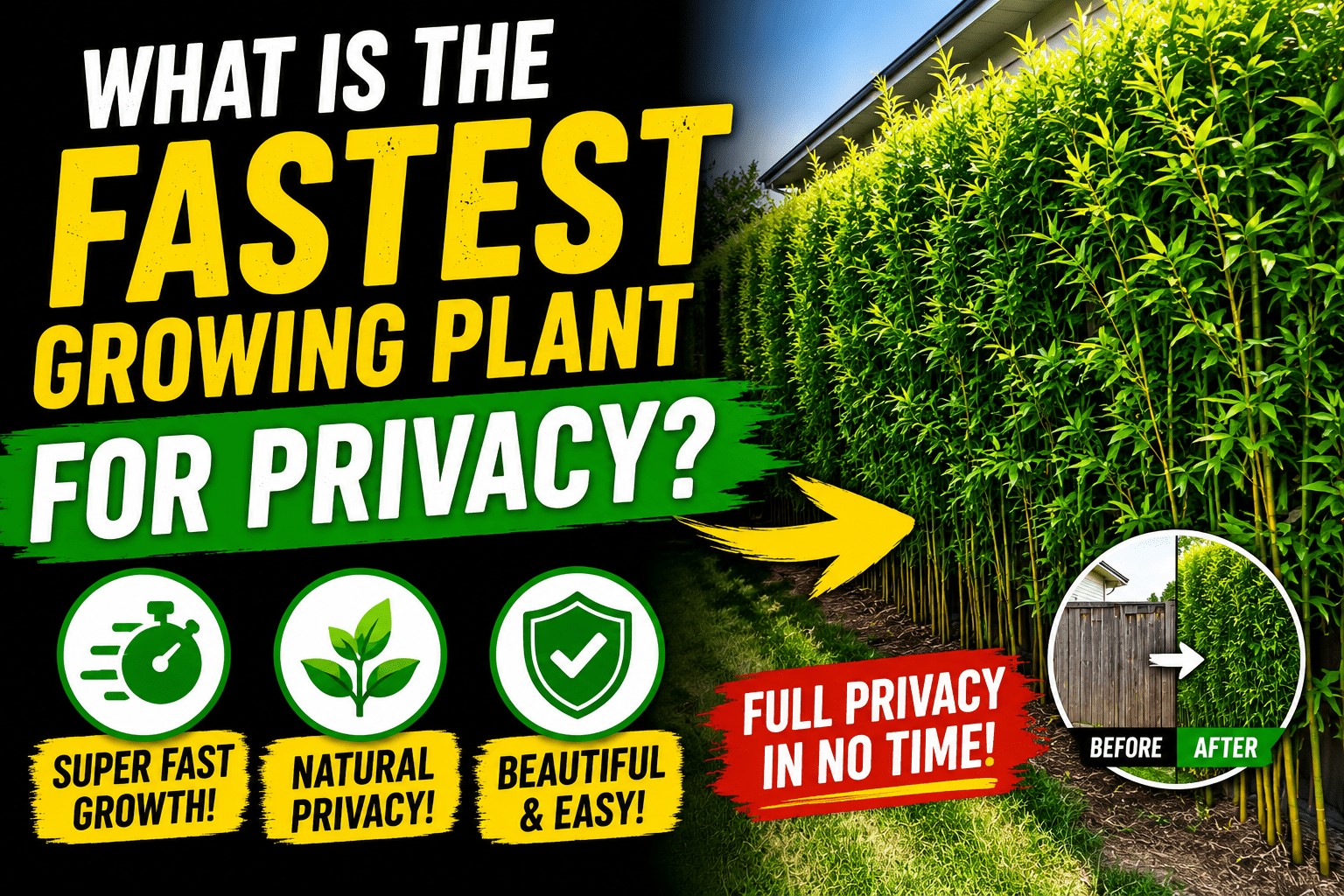
For privacy: Use a trellis of pole beans, sunflowers, or dwarf fruit trees as a living screen. Keep plants under 3 feet tall near driveways and corners so drivers can see clearly.
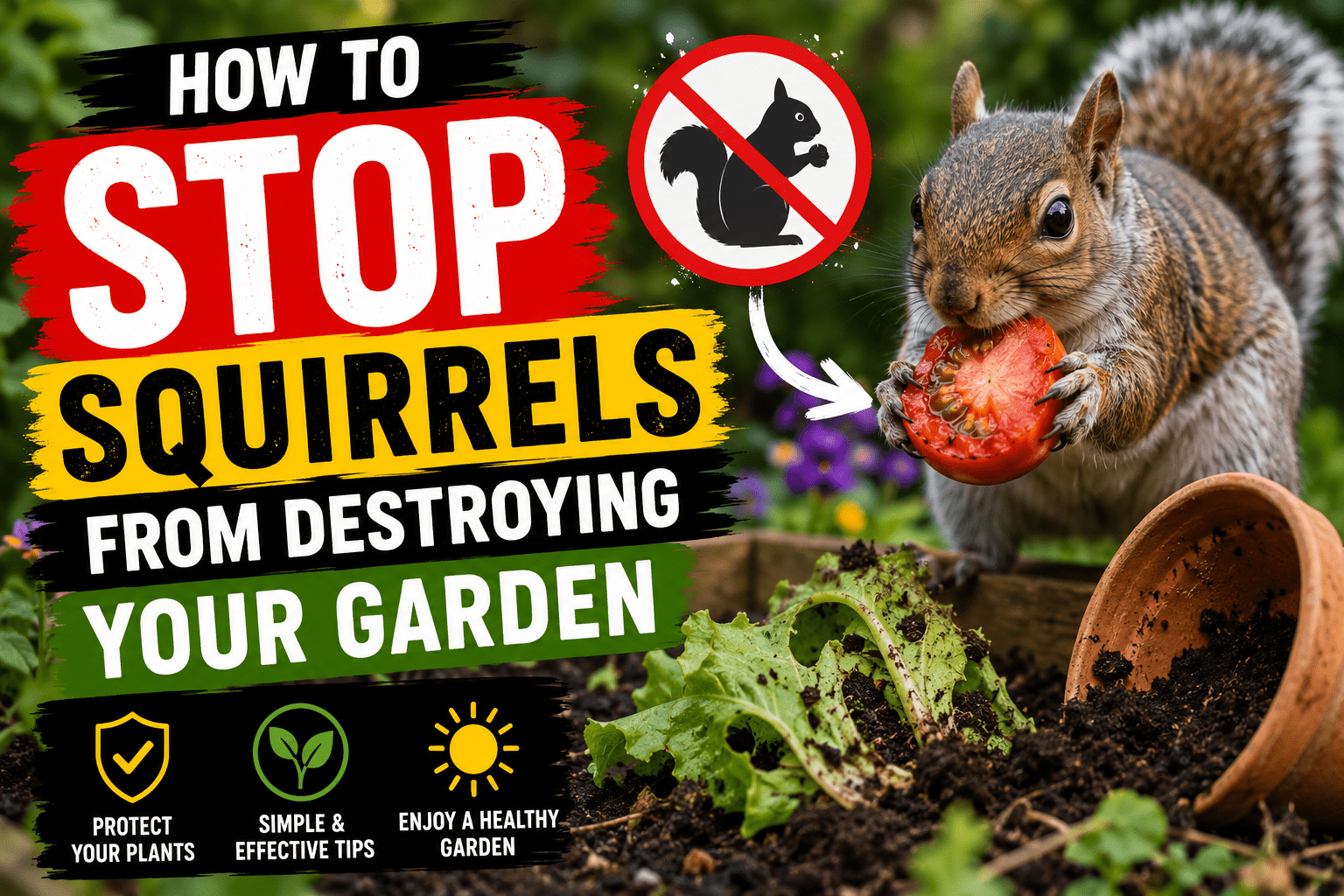
For pests: Front yards attract rabbits, deer, and neighborhood dogs. A low 2 to 3 foot decorative fence, plus marigolds, garlic, and basil around the edges, prevents most problems. For organic pest control options, extension.org offers research-based guides on common garden pests by region.
For theft: It happens less than most people fear. Many front yard gardeners plant a little extra and set out a “Help Yourself to Herbs!” basket. Generosity tends to turn passersby into garden protectors.
Mulch, spend about 10 minutes a week weeding, and deadhead flowers. That’s most of the maintenance.
Frequently Asked Questions About Front Yard Gardening
Can you garden in your front yard anywhere in the U.S.?
In most places, yes. There is no federal ban, but your city or HOA can restrict height, location, and upkeep. Check local ordinances and get HOA approval in writing before you plant.
What vegetables grow best in a front yard?
Cherry tomatoes, peppers, kale, Swiss chard, lettuce, herbs, and strawberries are good choices for beginners. They’re compact, colorful, and productive.
Is it safe to grow food near the street?
Yes, if you test first. Get a lead soil test, especially near busy roads and in pre-1978 homes. If levels are high, use raised beds with clean soil.
How do I keep my HOA happy?
Use raised beds, clean edging, mulch, and defined paths. Keep the garden weeded and choose attractive edibles like blueberries, herbs, and chard that look like landscaping.
Can renters have a front yard garden?
Yes, with landlord permission. Use large containers or portable fabric beds so you don’t damage the lawn and can take your garden with you.
Final Thoughts: Should You Do It?
So, can you garden in your front yard? Absolutely, and you should.
Your front lawn is already sunny, visible, and part of your daily routine. With one soil test, one tidy raised bed, and three to five easy plants like tomatoes, basil, kale, and marigolds, you can turn grass into fresh food in a single weekend.
Start small this season. Mulch it, edge it, and see what happens. The bees will show up, neighbors will stop to chat, and you’ll wonder why you waited so long.