
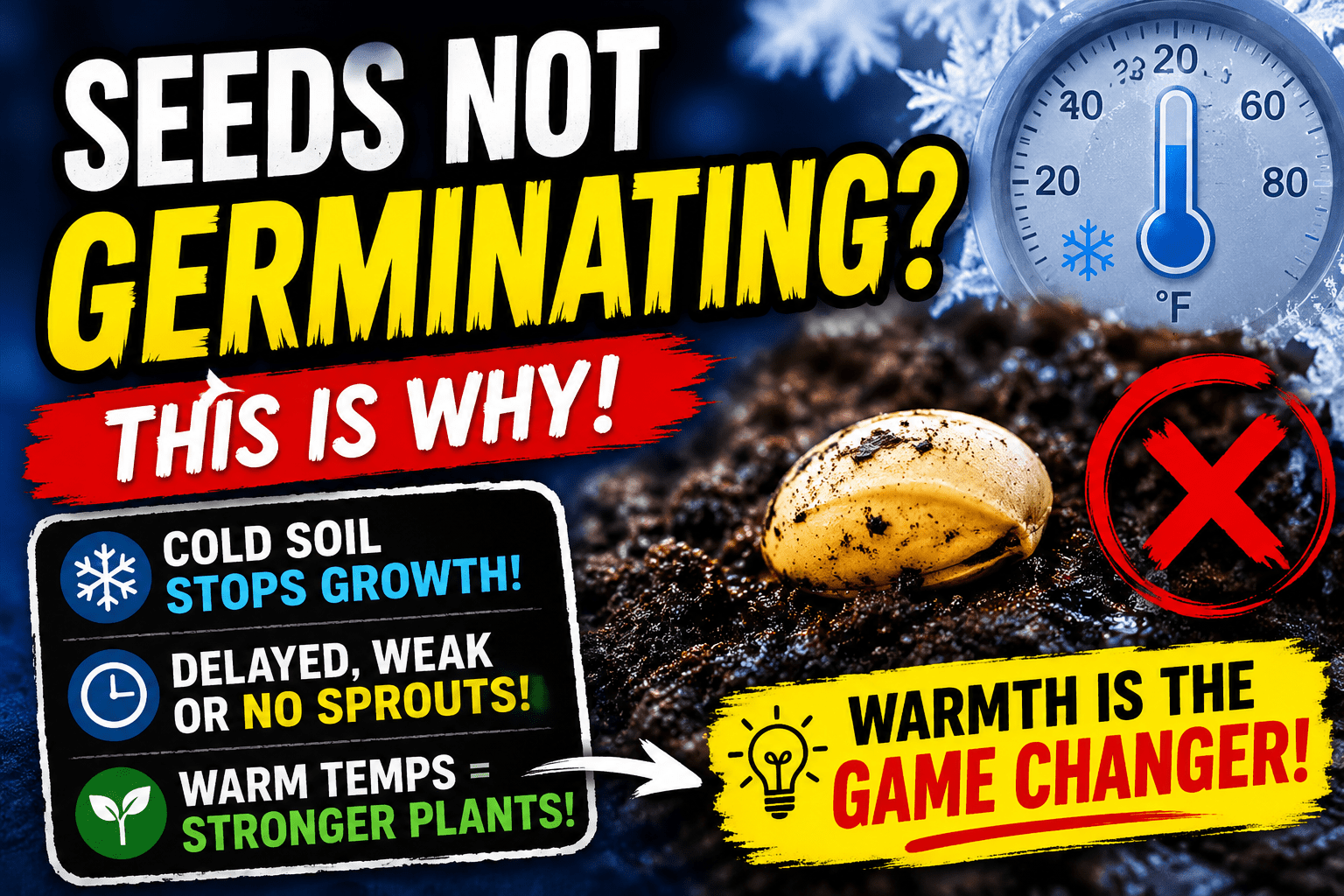
Why Seeds Fail to Germinate in Cold Soil – Shocking Growing Secrets!
A lot of gardeners have trouble understanding why do seeds not germinate in cold temperatures even though there is good soil and water available.
The main reason seeds do not germinate is because the temperature is too cold for the seed to activate its biological process to begin sprouting. If the soil is too cold the metabolic rate of the seed decreases and thus will have a negative effect on germination.
Seeds contain both reserves of energy and live tissue that will respond to environmental signals. The most common signal that affects the metabolism of the seed is temperature.
In fact, when the temperature of the soil is too low, the seeds will remain in a state of dormancy, decay, and take a long time to germinate. Different type of plant has different minimum growth temperature requirements to germinate best growth.
Impacts of Cold Temperature on Seed Germination
Cold soils are not good to the activity of seeds. Germination requires moisture, air, and temperature all combine together. Low temperatures cause the seed’s ability to operate.
Slow Enzyme Activity
Seeds strongly rely on the role of enzymes to breakdown the stored food to provide energy. The lower the temperature the slower the enzyme activity reduces the amount of energy created and inhibits the growth of root and shoots.
Reduced Water Absorption
Seeds need water to start growing; therefore in the cold period it prevents the seed from taking up enough water and could stop germination completely.
Weak Root Development
Seedlings that germinate in cold ground usually have weak roots, which may make them more susceptible to diseases and not able to establish quickly.
Minimum Soil Temperatures for Germination
Each plant has its own temperature requirements where it prefers to germinate. Cool-weather crops will germinate in cooler temperatures than warm-weather crops (i.e., lettuce, spinach, and peas will typically germinate between 40°F and 50°F and tomatoes, bell peppers, and cucumbers will typically require temperatures of 60°F or higher).
If the soil is below the proper temperature range for any particular crop, it will hinder germination and growth. Checking the soil temperature prior to planting will help ensure a lower rate of germination failure.
Therefore, gardeners will often use soil thermometers to measure the temperature of their soil prior to planting. This helps them determine when it is best to plant specific types of crops according to their preferred germination temperature.
Common Problems Caused by Cold Soil
Planting seeds at an early time of the season can cause many problems, including delayed germination. It can also lead to an increased chance of fungal infections and rot developing because of the cool and moist conditions of the soil.
Rotting Seeds
When seeds are planted in cold, wet soil, they may begin to rot before they sprout. Cool temperatures and excess moisture provide favorable conditions for the growth of both fungi and bacteria.
Uneven Germination
Temperature can affect the rate at which seeds germinate resulting in some plants growing at a faster rate than others.
Weak Seedlings
Seeds that germinate in low temperatures will produce weak seedlings, exhibit slow growth and be very vulnerable to disease.
How to Improve Germination in Cold Weather
There are several things that gardeners can do to create better conditions for seed germination during the cold months of the year. By warming the soil and taking measures to protect your seeds, you can increase the rate at which they sprout.
Utilize Raised Garden Beds
Raised garden beds tend to heat up more quickly than garden soil that’s level with the ground due to drainage and sun exposure. These conditions make raised beds ideal for growing new seeds.
Cover the Soil
Using row covers, plastic coverings or garden fabrics to cover soil will help trap warmth in the soil, increasing the temperature and greatly improving seed growth.
Start Seeds Indoors
Planting seeds indoors is an excellent way to ensure warm soil and protection from frost; seedlings are able to be safely transplanted into the ground when temperatures increase.
Which Seeds Germinate Better in Cool Temperatures
Cool temperature is not a factor for seed germination, because cold seeds can germinate successively as well. Many crops have developed from colder climates, so they are more tolerant of cool-weather growing than are most tropical plants.
Cool-season crops (vegetables) such as carrots, radishes, kale, and broccoli will respond to lower temperatures better than heat-resistance tropical or tropical/heat-loving crops.
If you plant your warm-season crops, like beans, melons, squash or peppers too soon in cold soils they will not germinate well and will produce weak seedlings.
The Ideal Time to Plant Seeds for Successful Germination
When it comes to planting seeds for successful germination timing is important. The earlier you plant the seed the better your chances for healthy crops to grow and survive.
A lot of gardeners wait until after their last frost date to start planting their crops, but it can be even better to wait until the ground has warmed up as well.
Keep an eye on all of the weather forecasts and soil temperatures before planting seeds too early.
Conclusion
Seeds do not start to grow at low temperatures which hinder the amount of water that can be absorbed, how quickly the enzymes can work, and how fast the roots will develop. Many seeds will remain dormant until the temperature of the soil warms up to a degree that allows for good growth.
Understanding why do seeds not germinate in cold temperatures helps gardeners make better planting decisions. Providing warmth at the right time promotes faster sprouting and healthier plants.