Knowing how to harvest basil can turn a few sad leaves into armfuls of fragrant greenery all summer. Many gardeners pluck individual leaves from the bottom or wait too long to start picking. Both habits lead to leggy, flowering plants with bitter-tasting foliage.
This guide covers when to pick, where to cut, how often to harvest, and how to store your basil so it stays fresh. Whether you grow basil in a backyard plot, patio pot, or bright kitchen windowsill, these tips help you get more leaves.
When Is Basil Ready to Harvest?
Timing matters. Basil is ready to harvest when:
- The plant is 6 to 8 inches tall. Younger plants need time to build roots and foliage.
- It has at least 6 to 8 sets of true leaves. This ensures the plant can recover after cutting.
- The leaves look full, glossy, and deep green.
Most basil plants reach this stage 6 to 8 weeks after sowing seed, or about 3 to 4 weeks after transplanting a nursery start. Read also a complete guide to know harvest a brussel sprout plant.
Best Time of Day to Harvest Basil
The best time to pick basil is mid-morning, after the dew has dried but before the afternoon heat. At this point the leaves hold the highest concentration of essential oils, which means better flavor and aroma. Harvesting in the heat of the day can cause wilting, and picking while leaves are wet can encourage mold during storage.
What You Need Before You Start
You don’t need fancy equipment:
- Clean, sharp scissors, garden snips, or pruning shears, since dull blades crush stems and invite disease
- A basket, bowl, or tray to hold your cuttings
- A jar of water if you plan to keep stems fresh on the counter
Clean your tools with rubbing alcohol or soapy water before cutting to avoid spreading plant diseases.
How to Harvest Fresh Basil Step by Step
Here’s how to harvest fresh basil so the plant keeps growing fuller and healthier.
Step 1: Find the Leaf Nodes
Look at a main stem. You’ll see pairs of leaves growing opposite each other, and at the base of each pair, tiny new leaves forming in the “V” where leaf meets stem. This junction is the leaf node, and it’s the key to proper basil harvesting.
Step 2: Choose the Right Stem
Pick a healthy, established stem with several sets of leaves. Start with the tallest stems at the top of the plant. Avoid cutting from the bottom first, because the upper growth is what you want to encourage to branch.
Step 3: Cut Just Above a Leaf Node
Using clean scissors, cut the stem about ¼ inch above a pair of leaves, leaving the lower leaf pair intact. The two tiny shoots at that node will grow into two new stems, which doubles the branches and makes the plant bushier.
Step 4: Leave Enough Foliage
Never strip the plant bare. Leave at least two sets of leaves on each stem you cut, and remove no more than one-third of the plant at a time (up to half when it’s large and thriving). The leaves left behind continue photosynthesizing, powering new regrowth.
Step 5: Pinch Off Flower Buds
If you spot flower buds forming at the top of the plant, pinch them off immediately. Once basil flowers, it puts its energy into making seeds, and the leaves turn bitter and less abundant. Cutting just above a leaf node below the bud works well.
Where to Cut Basil for Bushier Growth
The most common mistake is picking single leaves from the bottom of the plant. This leaves a tall, bare stem with a tuft of leaves on top. To grow a full, bushy plant:
- Always cut stems, not just leaves.
- Cut above a node, never in the middle of a bare stem section, because stems won’t regrow from bare wood.
- Harvest from the top down to encourage side branching.
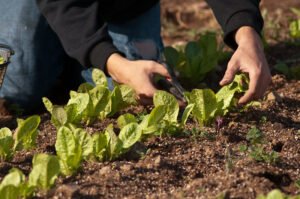
If you only need a few leaves for a recipe, pinch off the top set of leaves along with a bit of stem just above a lower node. People call this “pinching,” and it works well for small harvests.
How Often Should You Harvest Basil?
Frequent harvesting makes basil grow more. In general:
- Harvest every 1 to 2 weeks throughout the growing season.
- Pinch the top growth weekly on young plants to build a strong, branching structure.
- Harvest more heavily just before flowering or before a cold snap.
Regular picking signals the plant to keep producing leaves instead of going to seed. Basil you ignore will become tall, woody, and flower-prone.
How to Harvest Basil From Different Growing Situations
Basil Grown in Garden Beds
Garden basil tends to grow larger, so you can harvest bigger cuttings. Cut stems back by about a third every couple of weeks.
Basil Grown in Containers
Container basil has less room for roots, so harvest a bit more carefully. Water well after cutting and feed with a balanced liquid fertilizer every 3 to 4 weeks.
Basil Grown Indoors
Indoor basil needs 6 or more hours of bright light. Pinch it often and harvest small amounts regularly, since indoor plants recover more slowly than outdoor plants.
Harvesting at the End of the Season
Basil is highly sensitive to cold, and temperatures below 50°F (10°C) can damage or blacken the leaves. Before the first frost, harvest the entire plant, cutting stems down to a few inches above the soil. Use or preserve everything you pick.
Common Basil Harvesting Mistakes to Avoid
- Waiting too long to start. Early pinching creates a stronger plant.
- Picking only the bottom leaves. This causes leggy, top-heavy growth.
- Taking too much at once. Removing more than half the plant can stress it.
- Letting it flower. Bitter leaves and slowed production follow.
- Using dull or dirty tools. These damage stems and spread disease.
- Cutting below the lowest leaves. Stems without leaves or nodes often won’t regrow.
How to Store Fresh Basil After Harvesting
Once you’ve harvested basil, handle it gently. Basil bruises easily and blackens when chilled.
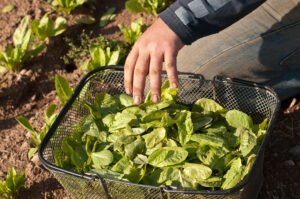
Short-Term: Keep It on the Counter
Trim the stem ends and place the cuttings in a glass or jar with an inch or two of water, like a bouquet. Keep it at room temperature away from direct sunlight. Change the water every day or two, and the basil will stay fresh for up to a week. Don’t refrigerate it, because cold air turns the leaves dark and limp.
Rooting Cuttings
Leave the stems in water on a bright windowsill and many will grow roots within 1 to 2 weeks. You can then plant them for a new supply.
Wrap and Refrigerate (Only if Necessary)
If you must refrigerate, wrap dry leaves loosely in a paper towel and place them in a partially open bag in the warmest part of the fridge. Use within 3 to 5 days.
Freezing Basil
- Ice cube method: Chop the leaves, pack them into an ice cube tray, cover with olive oil or water, and freeze. Pop out the cubes and store them in a freezer bag.
- Flash freezing: Spread whole, dry leaves on a baking sheet, freeze, then transfer to a container.
Drying Basil
Bundle stems and hang them upside down in a warm, dry, airy spot, or use a dehydrator on low heat. Crumble the dried leaves and store them in an airtight jar. Drying reduces flavor compared to fresh basil, so freezing is often the better choice.
Making Pesto
A big harvest is the perfect excuse to make pesto. Blend basil with olive oil, garlic, nuts, and Parmesan, then freeze it in small portions.
Tips for Keeping Your Basil Productive
- Water consistently. Keep soil evenly moist but never soggy.
- Give it sun. Basil needs 6 to 8 hours of direct light daily.
- Feed lightly. A balanced fertilizer every few weeks supports leaf growth.
- Apply mulch outside. It retains moisture and regulates soil temperature.
- Succession plant. Sow new seeds every 3 to 4 weeks for a continuous supply.
Want to go deeper on light, soil, and care? The Old Farmer’s Almanac basil growing guide is a useful companion resource.
Frequently Asked Questions
Can you harvest basil every day?
You can pick a few leaves or pinch tips each day from a mature, healthy plant. But it is better to harvest larger cuttings every week or two. Constant leaf stripping can weaken the plant.
Should you cut basil above or below the leaves?
Cut above a pair of leaves, about ¼ inch over the node. This triggers new branches to form from that point.
Will basil grow back after cutting?
Yes. If you cut above a leaf node and leave enough foliage, basil regrows quickly, often within a week or two.
How much basil can you harvest at once?
Take no more than one-third of the plant at a time. Strong, established plants can handle up to half.
Can you harvest basil before it flowers?
Yes, and you should. Harvesting before flowers appear gives the best flavor and the longest production period.
What if my basil has already flowered?
Cut the flower stalks off just above a leaf node and continue harvesting. The plant may recover, though leaf production and flavor may decline.
Why do basil leaves turn black after harvesting?
Cold damage is the usual cause. Storing basil in the fridge or exposing it to temperatures below 50°F can blacken the leaves. Store it at room temperature instead.
Should I wash basil right after picking?
Wait until you’re ready to use it. Excess moisture speeds spoilage, so rinse gently and pat dry just before cooking.
Final Thoughts
Learning how to harvest basil is simple once you know the rules: wait until the plant is 6 to 8 inches tall, cut just above a leaf node, never take more than a third, and pinch off flower buds. Follow these steps, and your plant will reward you with a bushy, flavorful, season-long harvest.
Now you know how to harvest fresh basil for pasta, salads, pizza, sauces, and drinks. Grab your scissors, head out in the morning, and start picking. The more you harvest, the more your basil will grow.