
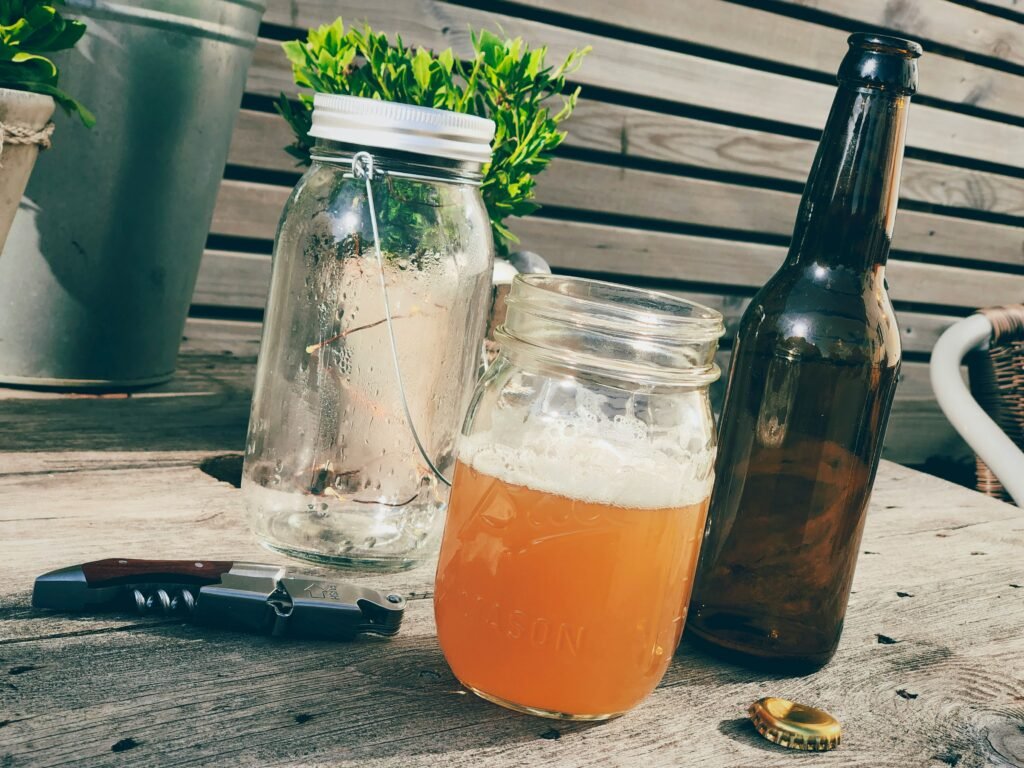
In just one afternoon you can learn how to brew kombucha, and after you do it the jar will almost magically take care of itself. All you need is some sweet tea, a healthy SCOBY, a clean jar and a bit of patience. This guide walks you through the whole process: the exact recipe, the right temperature, how long to ferment, how to tell when it’s ready, and what to do when something looks odd. Each step is written so you can follow it with the jar in front of you.
How to Brew Kombucha at Home
Here is the short version if you just want the steps:
- Boil water, steep tea, and dissolve sugar in it.
- Cool the sweet tea to room temperature.
- Pour it into a clean glass jar and add starter tea plus your SCOBY.
- Cover the jar with a tightly woven cloth.
- Ferment at 75–85°F (24–29°C) for 7–14 days.
- Taste it, and bottle it when it’s pleasantly tangy.
- Save a cup or two of finished kombucha to start your next batch.
The rest of this article explains each step, so every batch turns out better than the last.
What You Need to Brew Kombucha
You don’t need fancy gear. A short list of basics does the job.
Equipment
- A 1-gallon (3.8 L) glass jar with a wide mouth. Glass is neutral and easy to clean.
- A breathable cover, such as a clean tightly woven cotton cloth, a coffee filter or a flour-sack towel, plus a rubber band. Loose cheesecloth lets fruit flies through, so skip it.
- A large stainless steel pot for making the sweet tea.
- Pressure-rated glass bottles with airtight lids for the second fermentation.
- A thermometer (an adhesive strip thermometer on the jar works well).
- Optional: pH strips and a heating mat for cooler rooms.
Ingredients
- A SCOBY. The name stands for “symbiotic culture of bacteria and yeast.” It’s the rubbery disc that turns sweet tea into kombucha. Get one from a friend or a trusted supplier, because growing one from scratch is slower and more likely to go wrong for beginners.
- Starter tea. This is mature, unflavored kombucha from a previous batch or the liquid your SCOBY came in. It lowers the acidity of the brew from day one, which protects it from unwanted microbes.
- Tea. Plain black tea is the easiest choice for a first batch. Green tea and oolong also work.
- Plain white sugar. The culture feeds on it, and most of it is consumed during fermentation.
- Water. Use filtered water, or tap water that has been boiled or left out to let the chlorine escape.
Materials to Avoid
Skip bleach and strong detergents, which leave residues that can upset the culture. Avoid plastic and reactive metals for long fermentation, because the acidity can pull flavors and compounds out of them. Rinse your jar with hot water and a splash of white vinegar instead.
The Kombucha Recipe (Ingredients and Ratios)
This recipe makes 1 gallon (3.8 L). It’s a dependable starting point for anyone learning how to brew kombucha.
| Ingredient | 1 Gallon (3.8 L) | 2 Gallons (7.6 L) |
|---|---|---|
| Water | 14 cups (3.3 L) for brewing, plus cool water to top up | 28 cups (6.6 L) |
| Tea | 6–8 tea bags or 2 tablespoons loose leaf | 12–16 bags or 4 tablespoons |
| Sugar | 1 cup (200 g) | 2 cups (400 g) |
| Starter tea | 1–2 cups (240–480 ml) | 2–4 cups (480–960 ml) |
| SCOBY | 1 | 1 |
Rule of thumb: use about 10 to 15 percent starter tea by volume. More starter means a more acidic brew, a faster ferment and a lower risk of mold.
How to Brew Kombucha Step by Step
Step 1: Clean Your Equipment
Wash your hands and rinse the jar, spoons and pot with hot water. A quick wipe with white vinegar followed by a thorough rinse is enough. You want clean, not laboratory-sterile.
Step 2: Make the Sweet Tea
Bring about 4 cups (1 L) of water to a boil, turn off the heat, and steep your tea for 5 to 10 minutes. Remove the tea, then stir in the sugar until it fully dissolves.
Making a strong, concentrated tea first is a handy shortcut. You can top it up with cool water in the next step, which brings the temperature down quickly.
Step 3: Cool the Tea Completely
Add cool water until the liquid reaches roughly 1 gallon (3.8 L), then check the temperature. It should be at or below 85°F (29°C), ideally closer to room temperature.
This step matters more than most beginners expect. Hot tea can damage or kill the culture, so wait until the liquid feels neutral or slightly warm to the touch.
Step 4: Combine the Tea, Starter and SCOBY
Pour the cooled sweet tea into your jar, leaving a couple of inches of space at the top. Add your starter tea, then slide the SCOBY in with clean hands.
Don’t worry if the SCOBY sinks or floats sideways. That’s normal and doesn’t mean anything has gone wrong. A new SCOBY layer will usually form on the surface within a week.
Step 5: Cover the Jar
Secure your cloth or coffee filter with a rubber band. The culture needs oxygen to ferment well, but it needs protection from dust and insects too.
Step 6: Ferment in the Right Spot
Place the jar somewhere warm, out of direct sunlight and away from strong smells and moving air. A kitchen shelf or a quiet corner of a cupboard works well. Don’t bump the jar or stir it during fermentation. The culture works best when left alone.
Step 7: Taste, Bottle and Start Again
From about day 7, start tasting. When it’s tangy with a little sweetness left, it’s ready. Pour out most of the kombucha for drinking or bottling, and keep the SCOBY plus 1 to 2 cups of liquid in the jar as your starter tea. Mix up a fresh batch of sweet tea and begin again.
How Long Does It Take to Brew Kombucha?
Most batches of kombucha take between 7 and 14 days to ferment. Temperature is the biggest factor, but your SCOBY, your starter tea and your taste preference all play a part.
| Room Temperature | Typical First Fermentation Time |
|---|---|
| 68–72°F (20–22°C) | 12–21 days (slower, higher risk of problems) |
| 75–80°F (24–27°C) | 7–10 days |
| 80–85°F (27–29°C) | 6–9 days (faster, more acidic) |
| Above 85°F (29°C) | Not recommended; flavor and culture can suffer |
A Simple Timeline for Your First Batch
- Days 1–3: The jar looks quiet. A few bubbles may appear.
- Days 4–6: A clear or milky film begins to form on the surface. This is your new SCOBY layer.
- Days 7–9: Start tasting. The flavor shifts from sweet tea to lightly tart.
- Days 10–14: Stronger acidity develops, with a sharper, more vinegar-like taste.
If your kitchen is cool in winter, a heating mat designed for fermentation can keep things on track.
How to Know Your Kombucha Is Ready
You don’t need to guess. Use a straw or a clean spoon and check these signs:
- Taste: Kombucha should taste pleasantly tangy and a little sweet, with a clean finish. If it still tastes like sugary tea, give it another day or two. If it smells and tastes sharply of vinegar, it has gone too far.
- pH: A finished brew typically lands between 2.5 and 3.5 on a pH strip. Anything under 4.6 is considered acidic enough to be safe, but a fully fermented batch will usually be lower.
- Look: A new SCOBY layer on top, some brown yeast strands floating below and a slightly cloudier liquid are all good signs.
Over-fermented kombucha isn’t ruined. It makes excellent starter tea, a salad dressing base or a cleaning rinse for glassware.
Second Fermentation: Flavor and Fizz
The first fermentation gives you kombucha. The second one gives you flavor and carbonation. It’s optional, but it’s where most people have the most fun.
- Remove the SCOBY and set aside your starter tea.
- Pour the finished kombucha into pressure-rated bottles, leaving about 1 inch (2.5 cm) of space at the top.
- Add flavor, such as 2 tablespoons of fruit puree, a few slices of ginger or a splash of fruit juice per 16 oz (500 ml) bottle. You can learn also how to dehydrate fruits without a dehydrator.
- Seal the bottles and leave them at room temperature for 2 to 5 days.
- Open a bottle briefly each day to release built-up pressure, then reseal.
- Move the bottles to the refrigerator once they’re fizzy. Chilling slows the process and locks in the carbonation.
Good beginner flavor ideas include ginger and lemon, mango, strawberry and basil, and apple and cinnamon. Want more combinations? See our guide to kombucha flavors. [INTERNAL LINK]
Troubleshooting Common Brewing Problems
| Problem | Likely Cause | What to Do |
|---|---|---|
| SCOBY sinks | Normal in young cultures or cool rooms | Wait. It often floats again or grows a new layer. |
| Brew has no bubbles or film after a week | Too cold or too little starter | Move to a warmer spot (75–80°F). Add more starter next time. |
| Brown, stringy bits | Healthy yeast | Nothing. This is normal. |
| Bumpy or uneven SCOBY surface | Gas pockets or uneven growth | Normal. |
| Smells like vinegar | Over-fermented | Use as starter tea or vinegar. Shorten the next batch. |
| Too sweet | Under-fermented | Ferment a few more days. |
| Flat after bottling | Weak seal, cool room or short ferment | Use airtight bottles, add a little fruit, wait one or two more days. |
| Fuzzy, dry or raised patches in blue, green, black or white | Mold | Discard the whole batch, including the SCOBY. Clean the equipment and start over. |
Know the difference between mold and normal growth. Mold is fuzzy, dry and raised, and sits on top like fur. Yeast and new culture layers look wet, stringy, smooth or slightly bumpy. When in doubt, throw it out.
Brewing Safely
Brewing kombucha at home is safe when you follow a few simple habits:
- Use a clean jar and clean hands every time.
- Always add enough starter tea, because acidity protects your brew.
- Keep the jar covered with a tight-weave cloth.
- Choose glass for fermentation and food-safe, pressure-rated bottles for bottling.
- Never use a batch that shows mold, a rotten smell or an unusual color.
Kombucha contains small traces of alcohol and some caffeine. Home-brewed batches can vary more than store-bought ones. Pregnant or breastfeeding women and people with health conditions should talk to a doctor before drinking it. The Cleveland Clinic offers a helpful overview of how much kombucha is safe to drink, and Kombucha Brewers International shares kombucha FAQs for home brewers.
What to Do With Your Extra SCOBY
Every batch grows a new layer, so you’ll soon have spares. Store them in a “SCOBY hotel”: a clean jar with sweet tea and a splash of starter, kept at room temperature with a cloth cover. Refresh the liquid every few months. You can also share extras with friends.
Frequently Asked Questions
How do I brew kombucha without a SCOBY?
You need a culture to brew kombucha, but you can grow one from plain, unflavored raw kombucha and sweetened tea. It takes 2 to 4 weeks and needs warmth and patience. For a first batch, getting a healthy SCOBY from a friend or reliable supplier is easier and more dependable.
How long should I brew kombucha for the first time?
Start tasting at day 7. Most first batches are ready somewhere between day 7 and day 14, depending on temperature.
What temperature is best for brewing kombucha?
Aim for 75–85°F (24–29°C). Cooler rooms slow things down, and hot rooms can make the brew too sour too quickly.
Can I brew kombucha with green tea or herbal tea?
Yes to green tea, either alone or blended with black. Herbal teas lack the compounds the culture needs, and oils in some teas (like Earl Grey’s bergamot) can weaken it over time. Use them for flavoring during the second fermentation instead.
Can I use less sugar when brewing kombucha?
Cutting sugar too much starves the culture. Stick to about 1 cup (200 g) per gallon. The culture consumes most of it during fermentation, so the finished drink is much less sweet than the starting tea.
Does brewing kombucha need darkness?
No. Ambient room light is fine. Just keep the jar out of direct sunlight, which can stress the culture and heat the liquid.
Can I use honey or brown sugar?
Plain white sugar is the most reliable choice. Honey and other sweeteners can work, but they often cause inconsistent results, especially for beginners.
Why is my kombucha not fizzy?
Fizz comes from the second fermentation. Check that your bottle seals tightly, add a small amount of fruit or juice, and give it an extra day or two at room temperature.
How do I store finished kombucha?
Keep bottled kombucha in the refrigerator. It stays good for several weeks, though the flavor keeps developing slowly.
Final Thoughts
Once you understand how to brew kombucha, the process becomes a simple rhythm: make sweet tea, let it cool, ferment, taste, bottle, repeat. Start with one gallon, stay close to the recipe, keep the temperature steady and trust your taste buds. Your first batch won’t be perfect, but each one teaches you something.
Got a question or a flavor combination you love? Share it in the comments.