
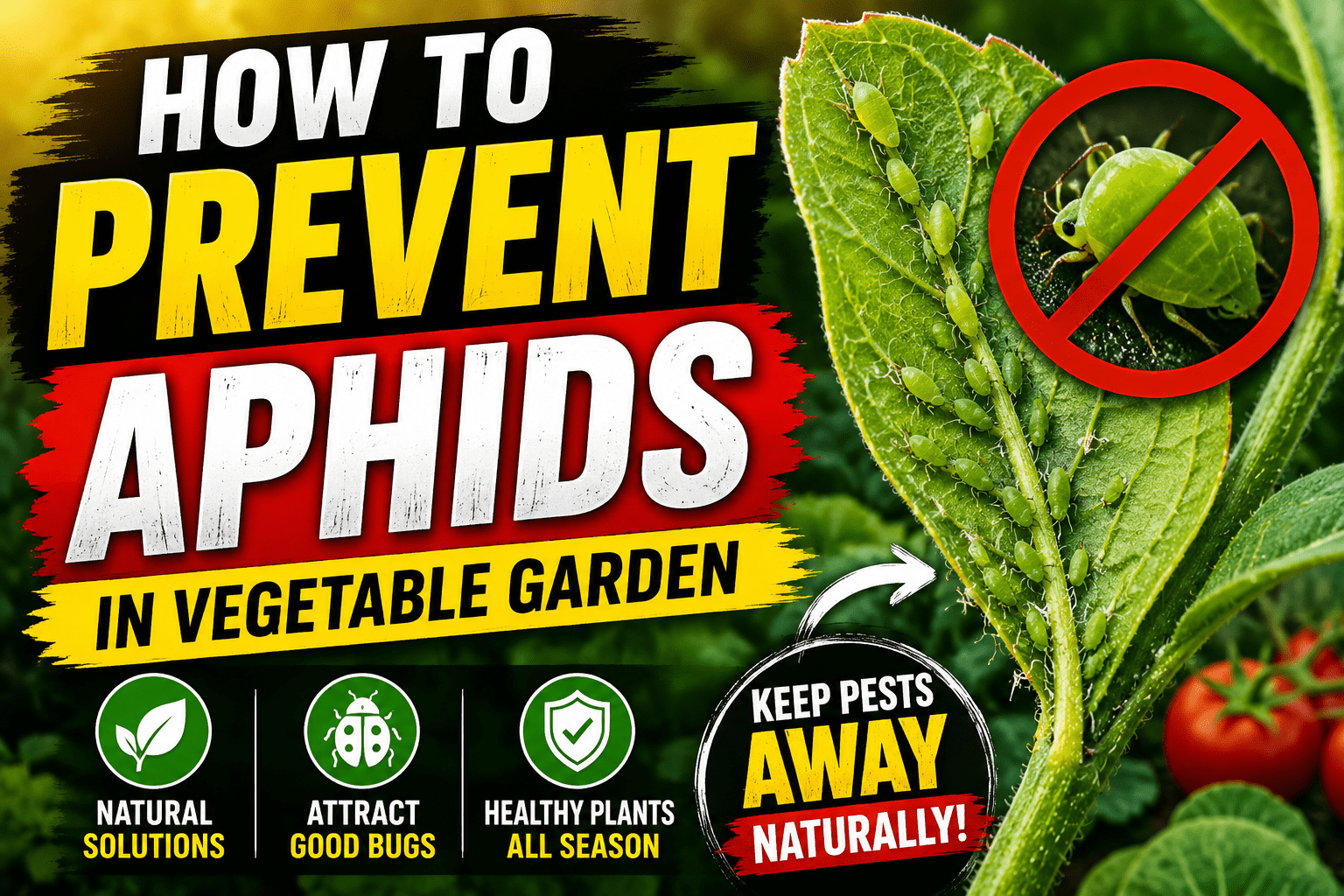
How to Prevent Aphids in Vegetable Garden?
Aphids are one of the most common garden pests that feed the sap of plants and thereby weaken crops and also create an environment that is prone to disease. Learn how to prevent aphids in vegetable garden to keep the crops healthy throughout the season.
To maintain healthy plants it is important to control aphids by utilizing beneficial insects, keeping your plants healthy, using companion planting techniques, and regularly inspecting your crops.
Preventing aphids before they can establish a population on your crops will reduce your reliance on chemical control methods and help to protect the vegetables cultivated through good gardening practices.
Understand Why Aphids Attack Vegetable Gardens
Aphids are attracted to new soft growth and plants either as a result of being stressed or over-fertilized. They reproduce quickly, turning small problems into large infestations within a short time.
Aphids are located on leaves, stems and buds — they feed on plants by sucking out plant fluids. Plants may develop curled leaves, have yellowing foliage, and may not grow as well when infected with aphids. After feeding, aphids also produce a lot of sticky material called honeydew, which can promote the growth of fungus and other molds.
The important first step in preventing aphid incidence understands what attracts them to the plants.
How to Prevent Aphids in Vegetable Garden
To effectively prevent aphids, it is essential to adopt healthy gardening practices and engage in regular monitoring.
Encourage Beneficial Insects
The most effective way of controlling aphids is to use their natural predators. Key examples of predators include lady beetles, lacewings, and hover flies; as these insects will eat aphids and help keep their populations under control.
If you introduce and encourage these beneficial predators into your garden, you can create a healthier and more balanced ecosystem to help naturally suppress pest problems.
Here are some ideas that will help you successfully attract these helpful insects:
- Grow herbs such as dill or fennel that bloom. These plants produce an appealing flavor for your cooking; also provide the nectar and pollen that these good bugs need to survive.
- To create a beneficial habitat for helpful insect predators plant nectar-rich flowers in close to your vegetables, such as marigolds, sunflowers and cosmos.
- Avoid using broad-spectrum pesticides that kill both beneficial and harmful species of insects. Rather, utilize targeted pest control methods to minimize negative impacts on beneficial insect.
When a garden has many healthy predatory insects, the chances of getting attacked by aphids are greatly reduced, resulting in a better and more productive growing environment.
By taking care of these beneficial organisms in the garden, you will protect your plants from damage and help increase the number of different species of animals in your garden habitat.
Inspect Plants Frequently
Aphid infestations can be controlled by conducting regular inspections for signs of the bug. Inspect leaves (especially the underside), new growth and flower buds regularly.
If you see a few aphids, you can remove them by hand or spray off with water; it will help to avoid larger infestations.
Avoid Excess Nitrogen Fertilizer
The use of excessive nitrogen fertilizer will produce too much tender growth and attract greater numbers of aphids, so always use balanced fertilizers, gradually apply compost, and follow recommended rates of application.
Healthy, consistent growth is less desirable to aphids than to overly tender foliage.
Use Companion Planting for Natural Protection
Aphids in vegetable gardens can be successfully controlled by using of companion plants that repel aphids.
Examples of companion plants that repel aphids are garlic, chives, onions, marigolds, and catnip. These plants will confuse and repel the aphid population from your vegetable garden when grown near your vegetables.
Attract Beneficial Pollinators
Beneficial pollinators such as bees, butterflies and hummingbirds feed from flower plants, specifically calendula, alyssum, yarrow, and cosmos, which encourages these pollinators to feed on aphids as well.
Thus, keeping these insect populations balanced will promote a healthy ecosystem and extend the natural pest control process.
Diversify Garden Plantings
By planting several types of vegetables and flowers together in the garden will also reduce the ability of the insects to migrate into your garden. It reduces the chances of an extremely large infestation from becoming established.
Maintain Healthy Garden Conditions
Plants that are strong can hold back unwanted insects. When plants are stressed from lack of rain they become easy for aphids to invade them. It’s very important to water deeply and frequently so that roots will grow properly.
Remove Weeds Regularly
Keeping your garden beds free of weeds denies hiding places for aphids and reduces reproduction of aphids before they can reach your vegetables.
Improve Air Circulation
When plants are close together they can attract insects as well as disease. By providing sufficient spacing between each of your plants for freely air flow will make checking for insects or diseased plants easier and promote healthy plant growth.
Organic Methods to Prevent Aphids in Vegetable Garden
Though having a variety of preventative measures, aphids may still occur from time to time. However, organic methods can help to control, so they don’t create larger problems.
Spray Aphids with Water
One way to remove aphids is to spray the plants using a strong jet of water. You can repeat this process several times, but should try to do it at early stages on the infestation.
Use Insecticidal Soap
Insecticidal soap works well against aphids if applied correctly and with care and it will not harm for beneficial insects. Be sure to read and follow all label instructions when applying products and do so during the cooler time of the day.
Remove Heavily Infested Growth
When you have a lot of aphids, pruning the plant will help keep the pests from spreading to parts of the plant that are healthy. Discard all removed plant material away from the garden.
Conclusion
You need to establish healthy growing conditions to prevent aphids in vegetable garden. You can keep aphids away from vegetables by establishing healthy growing conditions and encouraging natural insect predators.
Regular plant inspection, using companion plants, applying the correct amount of fertilizer, and providing proper care will result in significantly fewer aphid problems. Gardeners who concentrate on developing prevention will be able to provide their plants with better protection, as well as enhance their plants by producing stronger and more productive plants.